

26 June 2023
The Power of Artificial Intelligence: Machine Learning and Predicting the Future
CONTENTS
Machine Learning and Predicting the Future
Artificial intelligence and machine learning have generated considerable interest by enabling computer systems to demonstrate human-like intelligence and learning capabilities. Machine learning technology allows systems to recognize patterns, analyze trends, and forecast future events through data processing.
This technique reveals hidden insights within large datasets, making it applicable across financial services, marketing, healthcare, and numerous other sectors. The technology continuously improves by analyzing data and updating algorithms, enabling more accurate and reliable predictions. Large companies leverage machine learning to analyze aggregate customer trends and anticipate future demand when developing marketing strategies. Healthcare providers use machine learning algorithms for disease diagnosis and treatment optimization. In automotive industries, AI-based autonomous vehicles may enhance traffic flow and safety.
However, widespread AI adoption raises ethical and social concerns including data privacy, employment displacement, and algorithmic bias. Responsible implementation requires careful attention to these issues. Big data analysis and image recognition capabilities suggest these technologies will significantly impact business, healthcare, transportation, and related sectors.
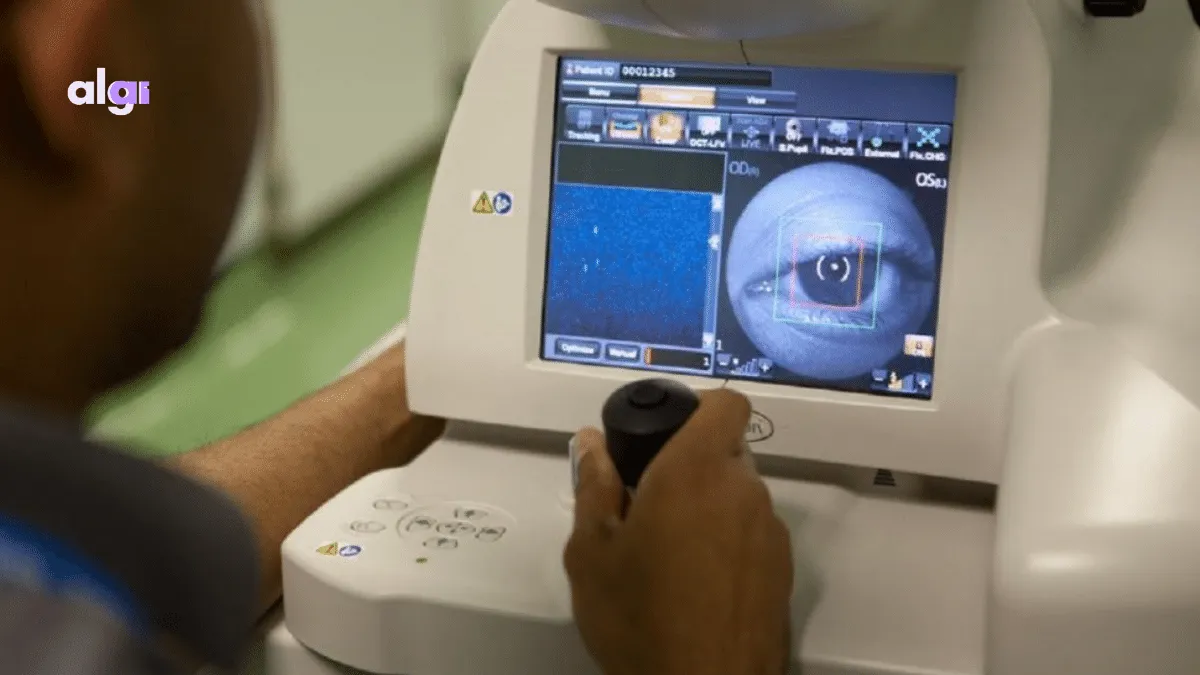
Medical Image Analysis and Disease Diagnosis in the Health Sector
AI increasingly supports medical image analysis and disease diagnosis through deep learning and image processing techniques. These methods detect and diagnose conditions by analyzing substantial medical imaging datasets. For example, AI can identify brain tumors in MRI scans and determine their locations.
As a diagnostic tool, AI has become increasingly valuable for early disease detection, potentially accelerating treatment initiation and preventing disease progression. AI algorithms identify abnormalities in image data, offering physicians valuable diagnostic guidance. Early-stage detection of cancer, Alzheimer’s disease, heart disease, and other conditions becomes more effective with AI support.
Beyond diagnostics, AI supports treatment planning and drug discovery through detailed image analysis. The technology enables personalized treatment approaches tailored to individual patient characteristics. AI also accelerates drug discovery by facilitating potential drug molecule design and effectiveness prediction.
AI’s impact on medical imaging and diagnosis is becoming increasingly apparent. The technology helps physicians make more accurate diagnoses and improves patient treatment outcomes. Future AI-based medical imaging and diagnostic systems will continue advancing, improving healthcare efficiency and patient care quality.
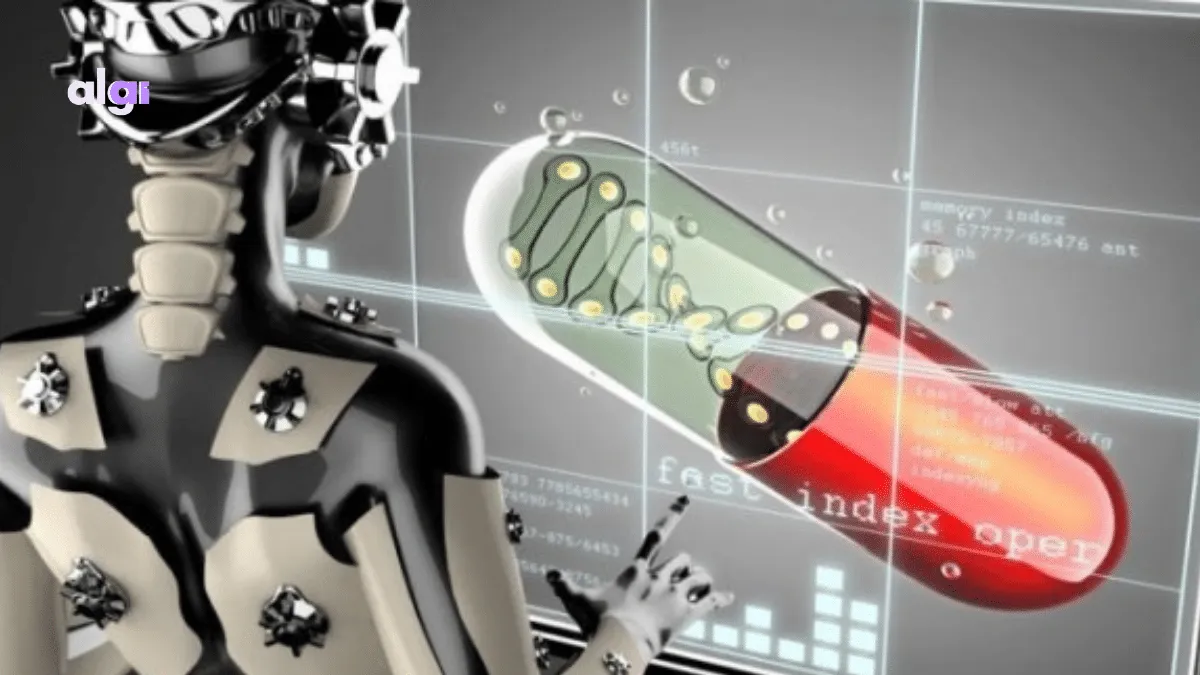
Drug Development
While artificial intelligence is not new, computing power advances have made it central to recent developments. AI can process data at speeds far exceeding human capability, enabling major healthcare drug development projects through comprehensive data management. The technology analyzes diverse data sources including clinical trials, patient health records, and genetic information, helping predict how drugs affect human cells and tissues. This capability improves clinical research and enables medicine personalization, ultimately accelerating drug market entry.

Reading Computed Tomography Scans
AI’s ability to read medical images and records could save radiologists and cardiologists substantial diagnostic time. Radiologists often examine hundreds of images daily, and eye strain can compromise diagnostic accuracy. IBM is developing an AI system assisting radiologists by analyzing millions of images and cross-referencing patient health data. The software will enter commercial use following testing completion.
AI is being deployed or will be applied in additional healthcare areas, including determining patient awakening from comas and improving depression diagnosis for the 300+ million people worldwide experiencing this condition. Developments include medical robots programmed with comprehensive medical student curriculum knowledge, supporting human physicians.
The technology offers particular promise for countries like Turkey, positioned at the healthcare and medical tourism intersection. University research hospitals cooperating with technology-leading companies could yield substantial benefits.

Data Collection
Effective machine learning and healthcare AI implementation require substantial data collection. However, obtaining such data typically compromises patient confidentiality and faces public resistance. A UK survey indicated approximately 63% of the population feels uncomfortable sharing personal data for AI technology advancement. Limited access to authentic patient data impedes healthcare AI development and deployment progress.
Automation
Recent research suggests AI could replace approximately 35% of UK jobs within ten to twenty years. However, AI has not eliminated healthcare positions to date. Should healthcare job automation occur, positions involving digital information, radiology, and pathology face greatest replacement risk, unlike doctor-patient interaction roles.
Automation benefits healthcare beyond job displacement concerns. Physicians utilizing AI in healthcare delivery are expected to provide superior care compared to those without AI implementation. AI will not completely replace healthcare workers; instead, it will provide them additional patient care time. The technology can prevent healthcare worker burnout and cognitive overload, contributing to improved communication, enhanced care quality, and worker autonomy.
Prejudice
Since AI makes decisions based exclusively on input data, this data must accurately represent patient demographics. Hospital environments often lack complete transparency regarding predictive algorithm creation and calibration. Medical institutions risk coding algorithms containing discriminatory bias against minority populations, potentially prioritizing profit over optimal care.
Algorithmic biases can amplify social and health service inequalities. AI decisions directly reflect input data quality and representation. White men are overrepresented in medical datasets; consequently, limited minority patient data results in AI generating more accurate predictions for majority populations while producing unintended worse outcomes for minorities. Data collection from minority communities itself risks medical discrimination—for instance, HIV prevalence in minority communities could enable discriminatory patient treatment. However, careful practice and regular representative data collection can eliminate these biases.
Healthcare AI implementation should align with social justice and equality principles, improving care quality while protecting patient rights. Future progress requires expanded ethical discussion and solution-seeking, enabling fairer, more equitable healthcare systems.
This article examined AI significance in medical imaging and diagnosis alongside ethical considerations. Advancing consciously in these areas maximizes technology potential while serving all society segments. Balancing AI healthcare benefits with ethical responsibilities enables steps toward improved futures.
RELATED POSTS
- Application Areas of Artificial Intelligence An overview of key AI application areas: recommendation systems, machine translation, signal processing, procedural content, regression and image processing.
- The Future of Agriculture with Artificial Intelligence and Image Processing How AI and image processing boost agricultural productivity: disease and pest detection, smart irrigation, harvest forecasting and autonomous farm machinery.
- What is the Role of Artificial Intelligence in Communication and Complex Tasks? What artificial intelligence is and its role in communication and complex tasks, from chatbots and translation to healthcare, energy, finance and e-commerce.