

27 June 2023
The Future of Agriculture with Artificial Intelligence and Image Processing
CONTENTS
- Productivity Increase in the Agricultural Sector
- In which areas can artificial intelligence and image processing technologies increase productivity in the agricultural sector?
- How can artificial intelligence and image processing technologies have an impact on agricultural production?
- What are the current challenges in the agricultural sector related to artificial intelligence and image processing technologies?
- Future Integration with Autonomous Systems
Productivity Increase in the Agricultural Sector
The agricultural sector continues gaining importance due to population growth and increased food demands. However, agricultural efficiency and sustainability face significant challenges, including resource optimization, disease and pest management, irrigation control, and harvesting processes.
Artificial intelligence and image processing emerge as powerful tools for enhancing agricultural productivity. AI involves computer systems analyzing agricultural data through machine learning and deep learning to support decision-making. Image processing analyzes agricultural images to extract actionable information.
These technologies offer substantial advantages across multiple applications. They enable early detection of plant diseases and pests through leaf and fruit analysis. Additionally, they facilitate efficient irrigation and fertilization by determining plant nutrient and water requirements based on field imagery, optimizing resource use and increasing productivity.
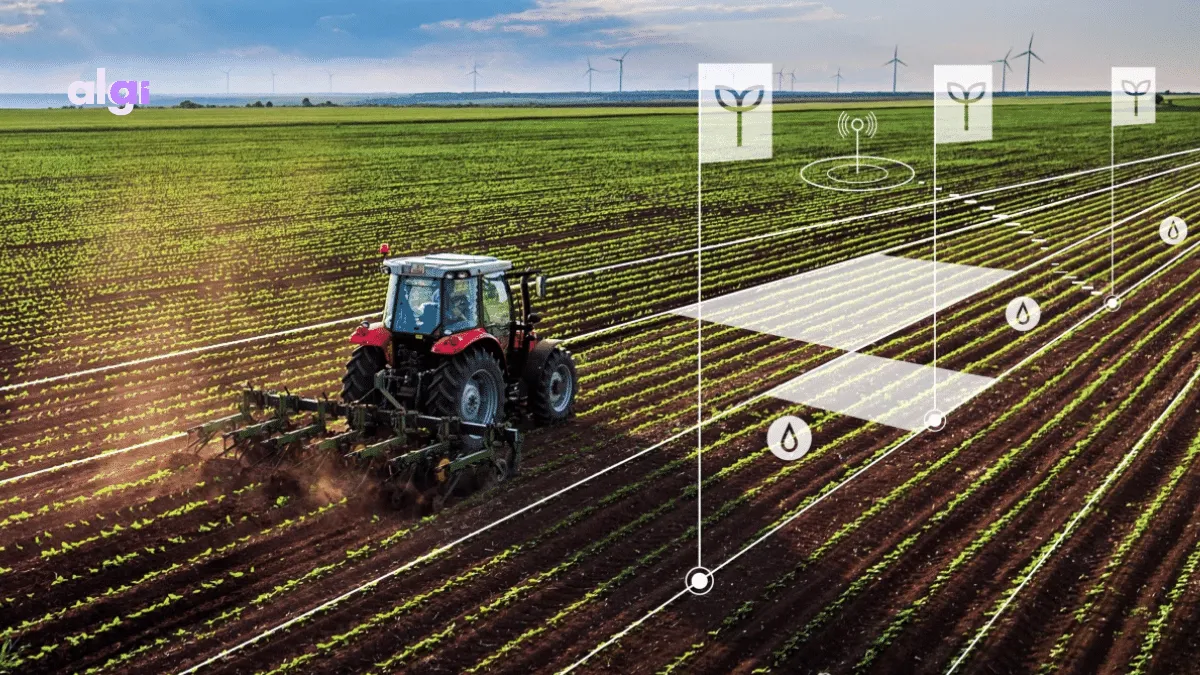
In which areas can artificial intelligence and image processing technologies increase productivity in the agricultural sector?
Use of agricultural data for analysis
AI and image processing technologies collect and analyze agricultural parameters including plant growth, climate conditions, soil composition, and pesticide data. This analysis supports productivity increases, harvest forecasting, pest detection, and farmer decision-making.
Monitoring and control of agricultural areas
These technologies detect plant growth, pests, and diseases through image processing algorithms. They automate agricultural machinery routing and monitor operations, enabling more effective land management, resource conservation, and productivity gains.
Agricultural planning and forecasts
AI technologies analyze seasonal forecasts, weather patterns, soil data, and plant growth models to support planning and strategic decisions. Applications include harvest prediction, water resource management, and fertilization program development, enhancing efficiency and resource sustainability.
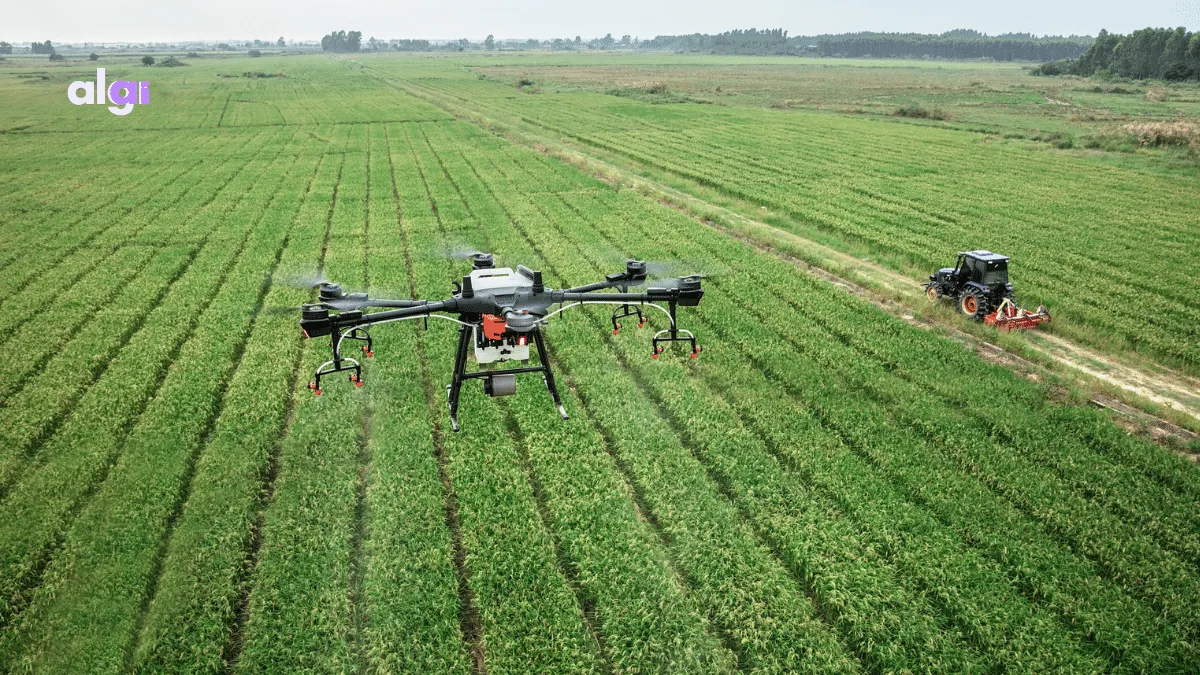
How can artificial intelligence and image processing technologies have an impact on agricultural production?
Contribution to the analysis of agricultural data and decision-making processes
These technologies process agricultural data using big data analytics, machine learning, and deep learning to generate valuable insights that enable more accurate and strategic decision-making for agricultural enterprises.
Agricultural processes that increase productivity
Image processing algorithms enable early plant disease diagnosis, allowing rapid response to threats. Sensors and AI algorithms optimize irrigation and fertilization, improving resource efficiency and agricultural yields.
Development of intelligent agricultural applications
These technologies enable real-time collection, analysis, and sharing of agricultural data. Smart applications include automatic irrigation systems, autonomous machines, and predictive analytics, promoting efficient, sustainable, and environmentally friendly farming.
What are the current challenges in the agricultural sector related to artificial intelligence and image processing technologies?
Potential to encounter obstacles
Barriers include technology access, cost, adaptation challenges, and training requirements.
Data security and privacy issues
Collecting, storing, and analyzing agricultural data raises important security and privacy concerns requiring appropriate protective measures against unauthorized access.
Necessity of supporting agricultural enterprises
Agricultural enterprises require accessible technologies and proper infrastructure. Technical support and training remain essential for widespread adoption.
Future Integration with Autonomous Systems
Future agriculture may integrate AI and image processing with autonomous machines equipped with sensors and cameras. These systems can optimize agricultural activities through data collection and analysis, enabling harvesters to determine optimal harvesting timing and crop selection for efficient resource utilization.
AI and image processing are practical tools for agricultural productivity, supporting disease and pest detection, efficient resource management, and autonomous machinery development. Effective implementation of these technologies can drive productivity gains and foster sustainable agricultural practices.
RELATED POSTS
- Artificial Intelligence-Supported Image Processing How AI-supported image processing is changing the automotive industry, from driver safety systems to Tesla, Mercedes-Benz and Waymo's autonomous cars.
- Application Areas of Artificial Intelligence An overview of key AI application areas: recommendation systems, machine translation, signal processing, procedural content, regression and image processing.
- Artificial Intelligence for Fire Solutions How AI strengthens fire safety: thermal cameras and smart smoke detectors for detection, robotic suppression systems, risk analysis and VR-based training.