

26 June 2023
What is 2FA (Two-Factor Authentication) and Why Is It Important?
CONTENTS
Two-Factor Authentication
With rapid technological advancement, safeguarding access to online accounts has become increasingly critical. Traditional username and password combinations no longer provide sufficient protection against sophisticated cyber attacks. Two-Factor Authentication (2FA) offers an effective solution to enhance account security.

What is Two-Factor Authentication?
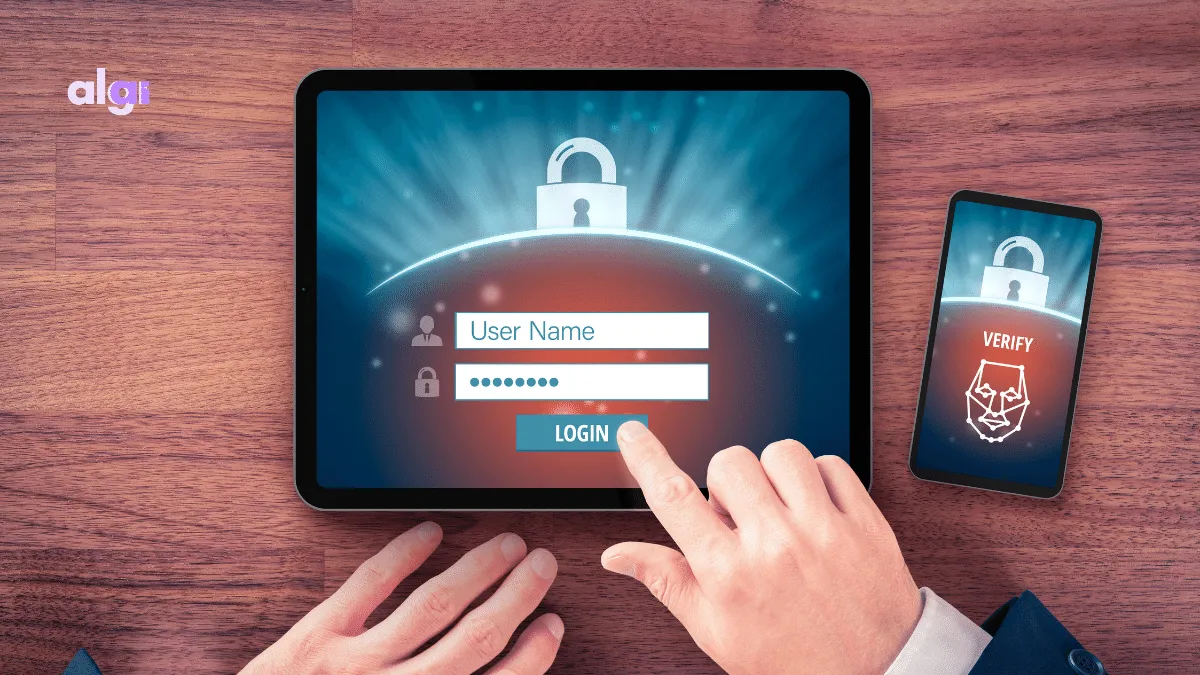
Two-Factor Authentication is a security mechanism that requires users to provide two distinct verification factors during login:
- Primary Verification Factor: Contains username and password information, representing the traditional first-level security measure for account access.
- Secondary Verification Factor: An additional verification step beyond the first factor, typically performed using a physical device (such as a mobile phone) or a biometric check on the user’s own device (such as a fingerprint).
How Does It Work?
A typical 2FA process follows these steps:
Step 1: Access the account by entering primary credentials like username and password.
Step 2: A notification or code is transmitted to the user for secondary verification.
Step 3: The user verifies the secondary factor by entering the received verification code or completing a check on their own device.
Step 4: Upon successful secondary verification, full account access is granted.
Why is it important?
- Additional Security Layer: 2FA enhances account security by adding a protective layer. Attackers possessing only username and password cannot access accounts without the secondary authentication factor.
- Protection Against Phishing Attacks: Phishing attacks are a type of attack where attackers attempt to deceive users into revealing their confidential identity information. 2FA reduces phishing impact since attackers cannot access accounts without secondary authentication.
- Addresses Password Security Issues: Users often neglect selecting strong passwords or changing them regularly. 2FA mitigates weak password impacts through additional verification requirements.
- Usage Across Multiple Platforms: 2FA is widely compatible with social media accounts, email providers, bank accounts, and other online platforms, enabling consistent security across multiple accounts.
Two-Factor Authentication Methods
- SMS Verification: Verification codes are sent via SMS to the user’s mobile phone. While simple and common, SMS has security vulnerabilities including SIM card theft risks.
- Mobile Application Verification: Online platforms allow users to employ mobile applications generating verification codes. This method is considered safer as it eliminates SMS-related risks.
- E-mail Verification: Verification codes are delivered via email. Email verification is generally regarded as less secure since attackers can obtain codes through email account hijacking.
- Physical Security Keys: Devices such as USB provide account verification. This method is preferred for high-security situations and offers greater resistance to cyber attacks.
Limitations of Two-Factor Authentication
- Additional Burden and User Experience: 2FA requires an extra login step, which can be time-consuming. Users must enter verification codes accurately and maintain device access. This situation may inconvenience some users and negatively impact user experience.
- Technological Issues: 2FA methods face potential technical problems. A dead cellphone battery or lost physical security key can prevent account access, blocking users from their accounts.
- Security Vulnerabilities: Like any security measure, 2FA has potential vulnerabilities. Attackers may attempt accessing secondary authentication factors or obtaining verification codes through social engineering. Users must employ correct methods and follow security best practices.
Conclusion
Two-Factor Authentication effectively enhances online account security by requiring two distinct authentication factors. Users should select appropriate methods, maintain security practices, and regularly check for updates to maximize protection in the digital world.
RELATED POSTS
- Basic Principles of OCR with Image Processing Techniques An overview of image processing fundamentals and how OCR works: preprocessing, text detection, character segmentation, recognition and Algı AI's OCR services.
- Hospital Security with Artificial Intelligence Solutions How AI-powered video analytics, weapon detection and motion analysis from Algi Ai improve hospital security and protect patients, staff and sensitive data.
- The Dark Side of Artificial Intelligence The dark side of artificial intelligence: data privacy risks, misinformation, AI-driven cyber attacks, and lessons from the Equifax breach for digital security.